How Countercult Entered Anceu
A case study in entering a rural place through existing relationships, understanding what was already happening, and building from there with Rural Hackers and local partners.
The work is not finished.
Rural Hackers and the local team want Countercult back in Anceu later in 2026 to continue the pilot. Countercult has also received funding from the Spanish government.
The route in was local
Countercult entered Anceu through a youth-exchange context and a relationship with people already doing work there. This was not an outside campaign brief asking us to manufacture a story about a rural place. We arrived because there was already a local context worth paying attention to.
That distinction shaped the work. Before asking what we could build, we needed to understand who was there, what was already happening, and where our mix of cultural and technical practice could be useful.
What was already happening
Anceu is a village of 97 people in Galicia. It had local history, people with deep knowledge of the place, and culture that had never stopped happening. The wider context included the Rural Hackers team, Anceu Coliving, and the WordPress community from Pontevedra.
So our starting point was not an empty canvas. It was a village and a wider regional network with its own knowledge, relationships, and reasons to keep building. Countercult’s role was to work alongside that context rather than arrive with a finished answer.
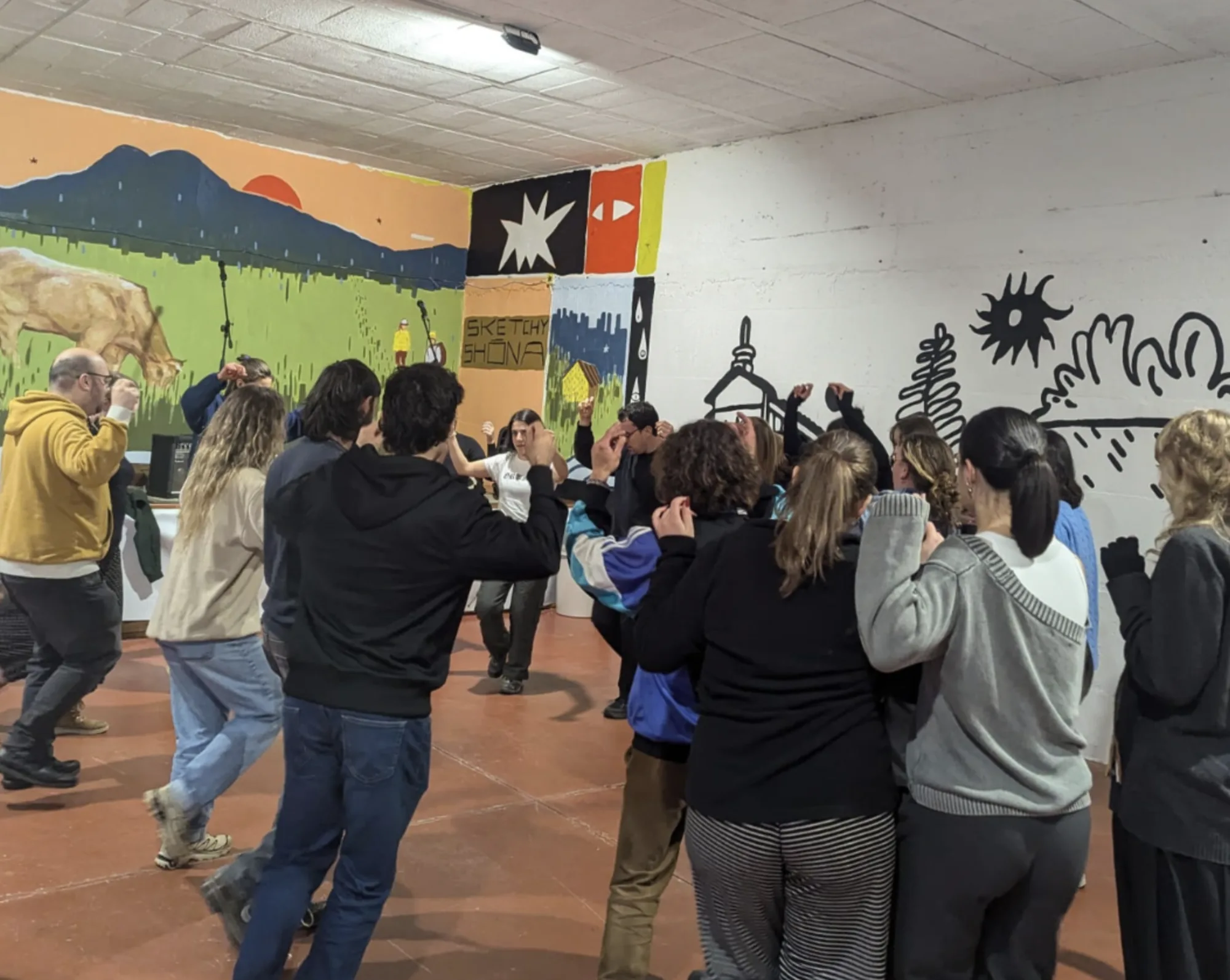
Where Countercult could contribute
We were there as artists and developers. That meant we could work between local knowledge, creative practice, and useful digital infrastructure: documenting context, making artifacts and experiences, and testing how an open-source cultural platform could be used with a place rather than simply written about it.
The work was designed as a region-wide case study beginning with the village itself. Anceu was the first point of attention, not the whole boundary of the project. The question was whether a small place could help expose the assumptions that larger platforms and generic destination work tend to miss.
What we actually did
With Rural Hackers, Anceu Coliving, and the Pontevedra WordPress community, we tested Countercult’s open-source platform in the local context. Artists, technologists, filmmakers, writers, and community builders came into the same working exchange.
The practical work was to make local context easier to encounter without flattening it into generic content: to document what was there, create things people could gather around, and connect the village to a wider record of cultural activity across the region.
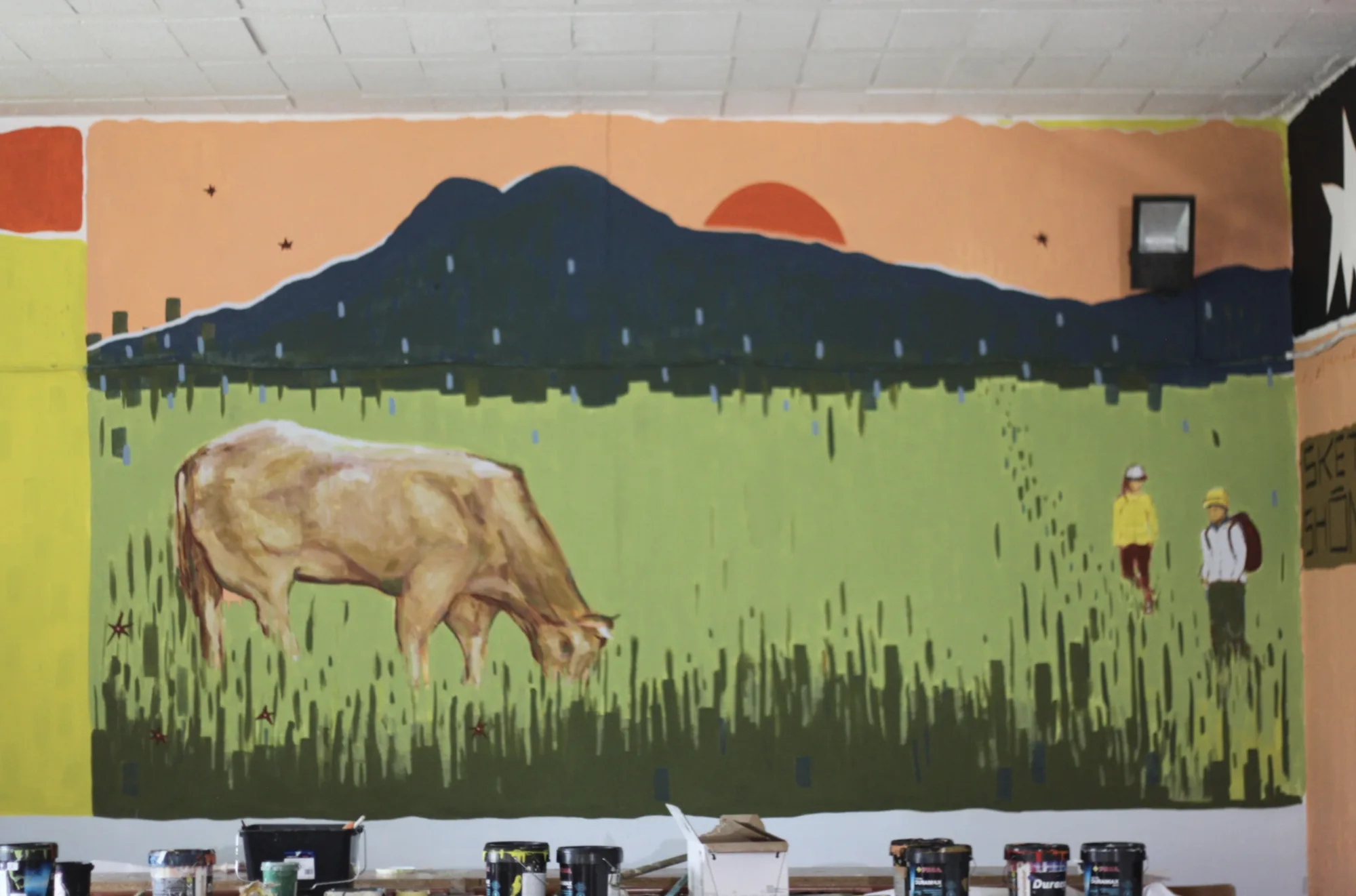
What the case study demonstrated
The useful result was not proof that one platform can solve rural development. It was a more specific finding: local cultural work becomes more useful when the infrastructure starts with the people and places already carrying the context.
- Entry came through a local relationship and an existing exchange, not a cold intervention.
- The work began at human scale: one village, 97 people, and the details that larger systems can overlook.
- The platform was tested alongside people who understood the place, rather than treating local knowledge as content to collect.
- The village was connected to a wider regional case study instead of being reduced to a standalone campaign or content shoot.
That is the part of the model Countercult is carrying forward: understand the place first, find the right people, make the cultural offer, and build the public and practical routes that let the work continue.
We did not go to Anceu to invent a culture. We went to understand what was already there and where we could make it easier to connect.
What remains unfinished
The work is not finished. Rural Hackers and the local team want Countercult back in Anceu later in 2026 to continue the pilot. Countercult has also received funding from the Spanish government.
The continuation would give the partners a chance to test what can be maintained, what should become public, and how an open cultural record can lead to stronger local relationships and future economic opportunity without making promises the pilot has not yet proven.
Why we keep using Anceu as evidence
Anceu is not a claim that every place needs the same platform or the same programme. It is evidence for a way of entering the work: through context, relationship, and contribution. The case study begins with a village, but the question extends further. How do you help a place become easier to find, understand, experience, and build with while keeping the people who make it what it is at the centre?
Have a place with a case for continuation?
Countercult can help turn a local pilot, community archive, or cultural exchange into a clear brief for partners and public funding conversations.
Adapted from the original village field note, published 20 November 2025. The current project and funding status are described from Countercult’s perspective.
editorial process: Our Journals are pulled from our writings over the years to get information out as quickly and as widely as possible, and to get to what matters: finding each other and claiming our seat in the circular economy. Some ideas overlap between Shona Neary's work on cultural infrastructure and their artist practice as Sketchy Shona. AI is a tool for infrastructure, not for creating Journal writing or artists' work. We welcome original reporting and pitches from journalists and independent publishers.