Countercult’s Property Investment Thesis: Building Cultural Hubs
We invest directly in property to build cultural infrastructure, bringing local knowledge, creative work, and long-term operations into the same place.
Countercult’s property model is direct investment. We aim to acquire and develop properties as a distributed network of cultural hubs, art houses, residencies, workspaces, and educational places. We are not simply advising a property owner to use culture.
The first acquisition under this direct-investment thesis is a next step. THE FLOOR, included below, is an operating case study of Countercult’s work with a cultural property.
operating case study · Berlin
THE FLOOR: making room for culture
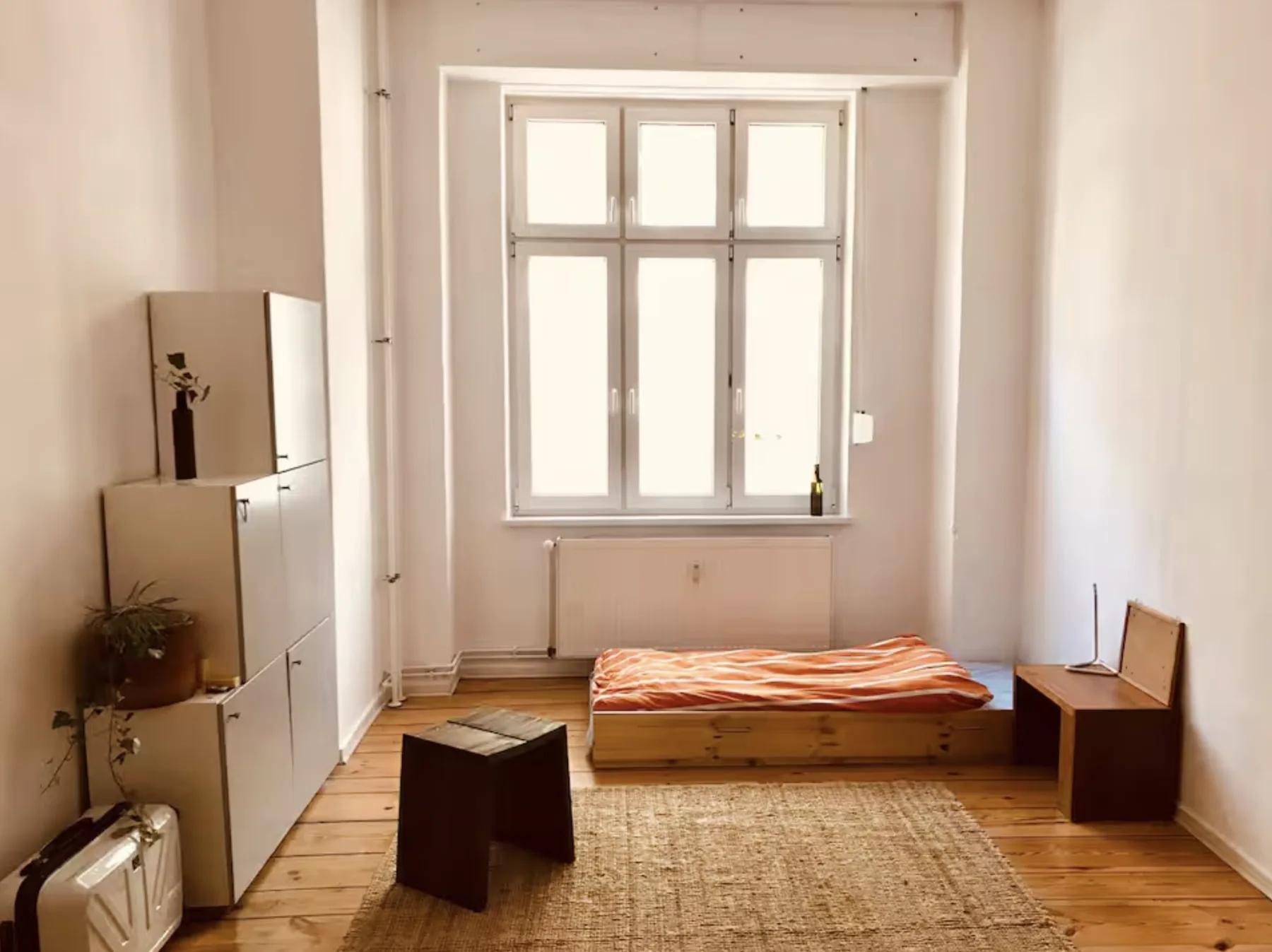
THE FLOOR is a Countercult-run property project in Berlin, developed in collaboration with local artist, curator, and cultural leader Sketchy Shona. Built around a shared home, artist residency, studio, and project room, it shows how a property can support artists’ daily lives and work while allowing local relationships and cultural activity to grow around it.
This is an operating case study, not a claim that THE FLOOR was acquired through Countercult’s direct-investment strategy or proof of an established investment portfolio. Its relevance is practical: cultural use, housing, access, artistic work, and ongoing operations need to be considered together. The first experiment included artists living and working in the house, a dedicated room for work, resident documentation, and cultural activity connected to DA SWAMP and 48 Stunden Neukölln.
Read the full THE FLOOR case study → See THE FLOOR residency details →Invest in places where culture already lives
We start by understanding the artists, collectives, spaces, businesses, and informal relationships already shaping a place. Local knowledge helps us assess what a property could support, who might use it, and what is already at risk.
The aim is not to use culture as decoration for an asset. We invest in places where ownership can support the people and practices that give the area its cultural life.
Build a year-round operating model
A property needs a realistic plan for acquisition, repair, access, staffing, maintenance, insurance, and utilities. The cultural programme also needs ongoing resources, not just a budget for a launch.
Depending on the place, a hub could bring together artist work, shared living, residencies, education, public programmes, and carefully chosen commercial activity. The mix should reflect local demand and a team’s capacity to run it.
Make cultural access part of ownership
Direct investment gives Countercult responsibility for how a property is used, who can access it, and how local people participate in its future. Those decisions need to be part of the investment model from the start.
Culture-led regeneration can bring economic opportunity, but it can also contribute to higher costs and displacement. Our approach needs practical safeguards for access, affordability, local participation, and cultural continuity.
Connect the property to local economic life
A cultural hub can create paid work through commissions, programming, education, production, and partnerships with local businesses. Local suppliers and operators can also take part in the activity around the property.
This is one route toward keeping more value connected to a place. It depends on the ownership, operating plan, and local relationships; it is not an automatic result of buying a building.
Grow a network of locally rooted hubs
Countercult’s ambition is to connect physical places to its cultural network and open-source infrastructure, while each hub keeps its local identity. The first property is a starting point for that model, not proof of an established portfolio.
This property investment is separate from the client-held Countercult Studios Fund. That budget supports agreed commissions and delivery; client funds are not pooled or automatically routed into property purchases.
We invest in property because lasting cultural infrastructure needs places where people can make, gather, learn, and live. The building is part of the work, alongside the local relationships and operating model that keep it useful.
Sources and further reading
This article presents Countercult’s direct property investment thesis. It does not report a completed acquisition or an established portfolio.
Editorial note: AI-assisted research and editorial draft for Countercult review. Shona Neary’s approval is pending.
This piece was informed by Shona Neary’s writing, conversations, and thinking around independent culture, artists, and place.