Späti raves: testing cultural relevance in Berlin’s urban fabric
What happens when a cultural activation leaves the closed venue and meets the neighborhood spaces people already use every day?
The problem with closed-door culture
Berlin has no shortage of creative energy, but much of it is difficult to enter if you do not already know the right people, room, or invitation. A strategy that wants genuine participation cannot assume that visibility is the same as access.
Use the spaces that already matter
The späti is a small but powerful piece of Berlin’s social infrastructure. It is a shop, a meeting point, a place to pause, and a neighborhood signal. The activation used that existing context rather than importing a polished event format from somewhere else.
Music made the encounter immediate. People could participate without being forced into a formal interaction, and the setting kept the experience connected to the street around it.
Späti Raves: visual documentation
These photographs document the street-level programme, including the Women’s Day DJ set, the crowd, and the Berlin Fashion Späti Edition.

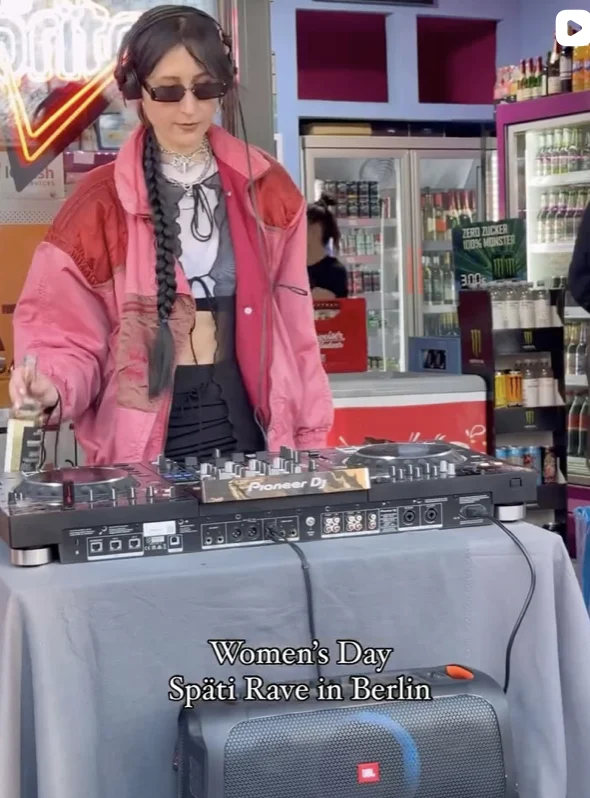
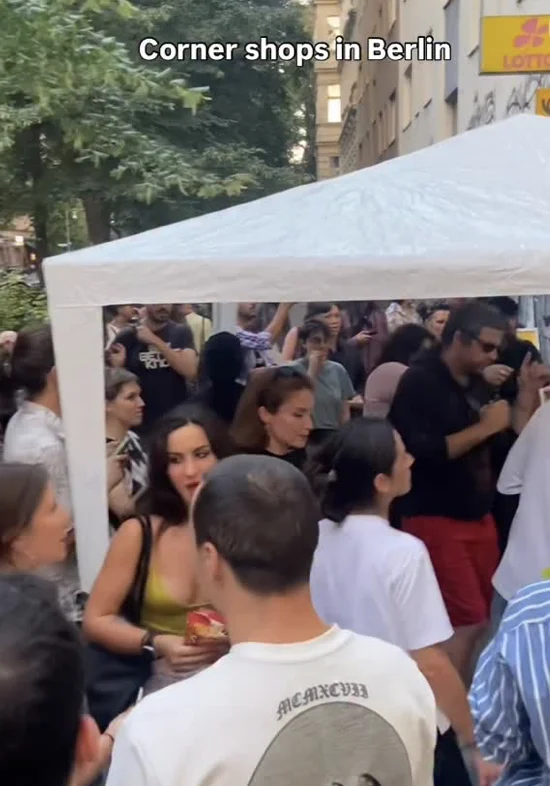
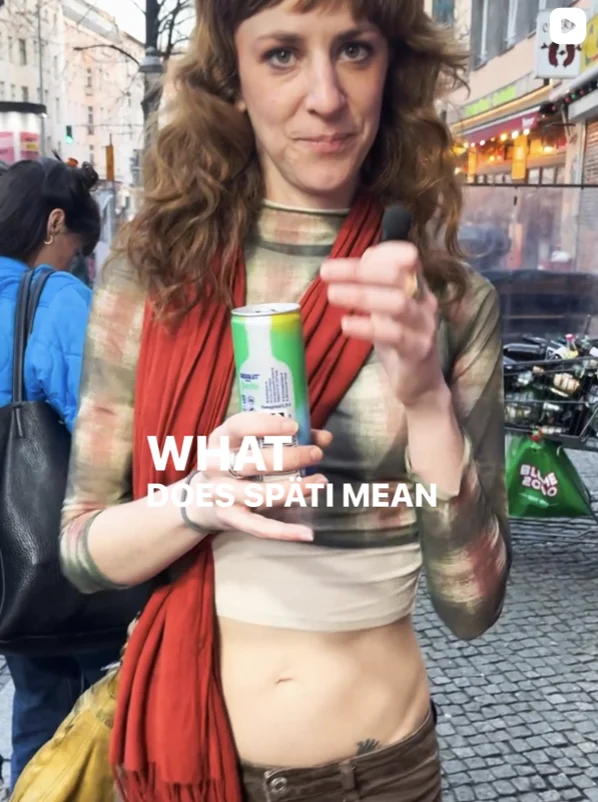

Relevance is easier to feel when the work starts where people already are.
A small activation can be real research
The project treated neighborhood-scale programming as more than a one-off stunt. It created a way to observe how a concept behaved in public, how people responded to it, and what needed to change before considering a larger rollout.
Documentation matters here because the learning is not only in attendance. It is in the details of who joined, what felt natural, and where the brand or partner needed to make less noise.
Planning a cultural activation or destination pilot?
Contact Shona about experiential strategy, tourism, public-space programming, and market testing.
Adapted from the original Berlin Corner Shops case study, published 29 March 2026. The public source documents the approach and context, not a quantified campaign result.
This piece was informed by Shona Neary’s writing, conversations, and thinking around independent culture, artists, and place.
How this Journal is made: Countercult publishes writing from years of work across independent culture, local economies, artist-led technology, and place. These essays, field notes, guides, and case studies make that knowledge useful and help artists, operators, and commissioners find one another. The Journal is human-authored; AI supports infrastructure, not authorship or artists' work. We welcome original reporting and pitches from journalists and independent publishers.